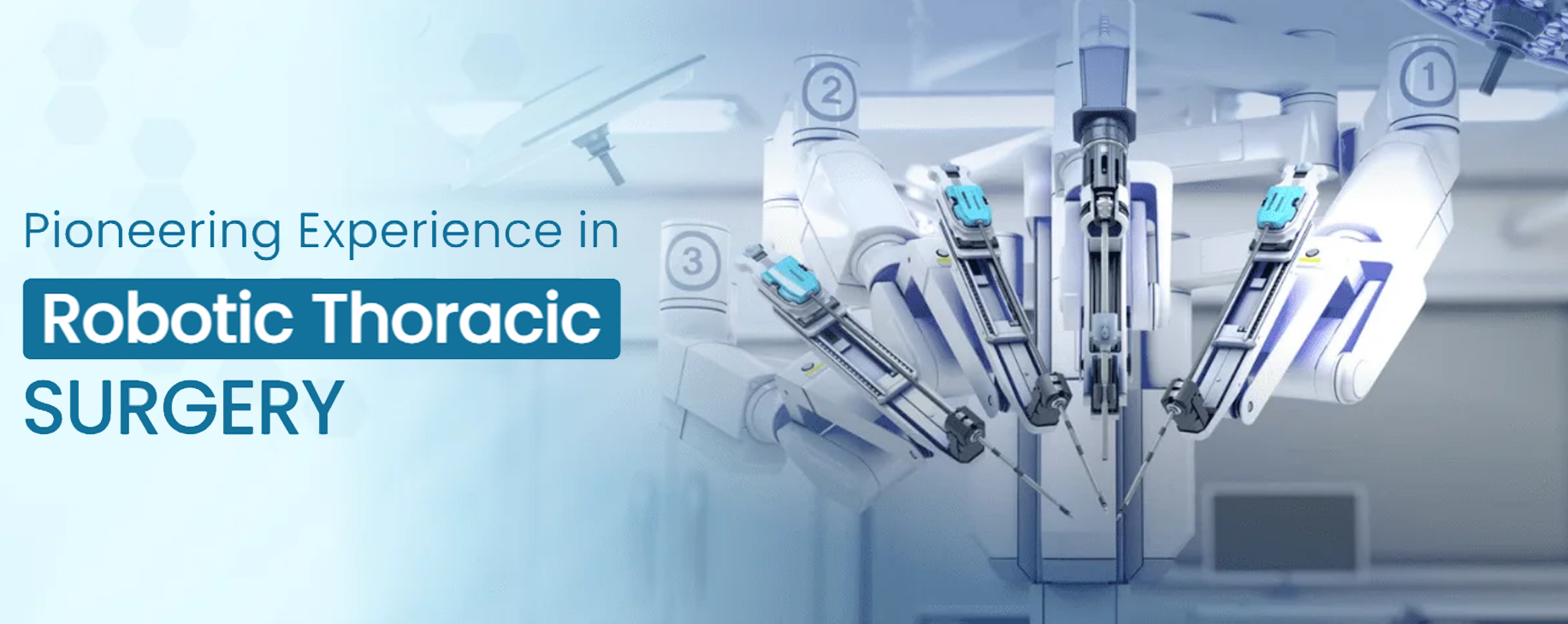

Consultant Thoracic Surgeon | Advanced VATS & Robotic Thoracic Surgery | Minimally Invasive | Airway | Chest Wall | Complex Resections
Dr. Arvind Reddy Muthirevula is a UK-trained, board-certified thoracic surgeon with special interest in minimally invasive techniques (VATS & RATS), complex airway reconstruction, and chest wall surgery. He is also a key member of the Lung Transplant team, contributing specialized expertise in patient evaluation and management.
After completing his MBBS from SVMC Tirupati and a 6-year DNB (Cardiothoracic Surgery) at Narayana Institute, he earned the prestigious FRCS (CTh) via the JCIE, UK. He has trained at reputed centres including St. James’s University Hospital, Leeds, where he mastered advanced thoracic surgical techniques.
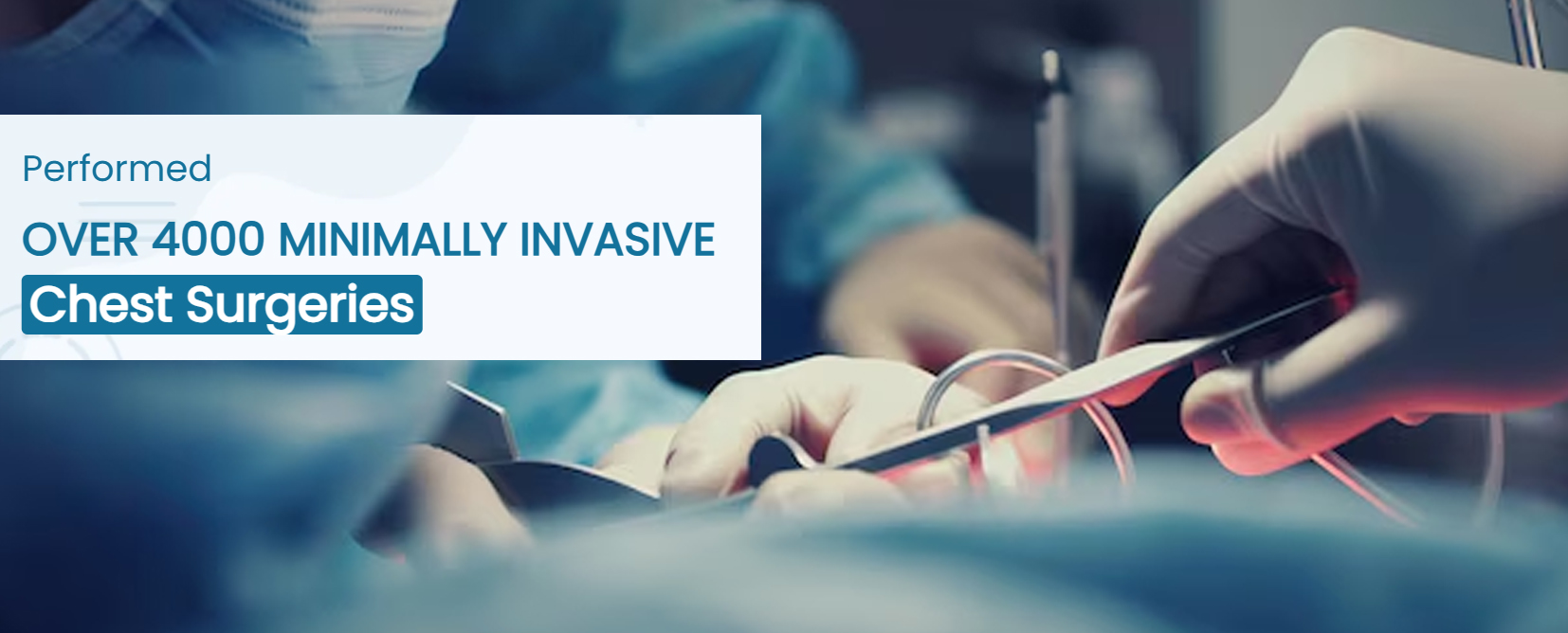
Having been involved in the care of over 7000 patients, Dr. Arvind has participated in more than 2000 cardiothoracic procedures, including over 1000 thoracic surgeries. This includes 300+ airway procedures, 500+ VATS, and 50+ robotic surgeries. He is known for managing complex infections, lung cancer, tracheal, pleural, and mediastinal conditions, and also offers expertise in pediatric thoracic cases.
He presents regularly at international forums and practices safe, patient-centric surgery using evidence-based protocols. With over 7 years of surgical expertise, Dr. Arvind brings both precision and compassion to every procedure.
Patients consistently choose Dr. Arvind Reddy Muthirevula for his rare blend of surgical mastery, innovation, and deep commitment to patient welfare.
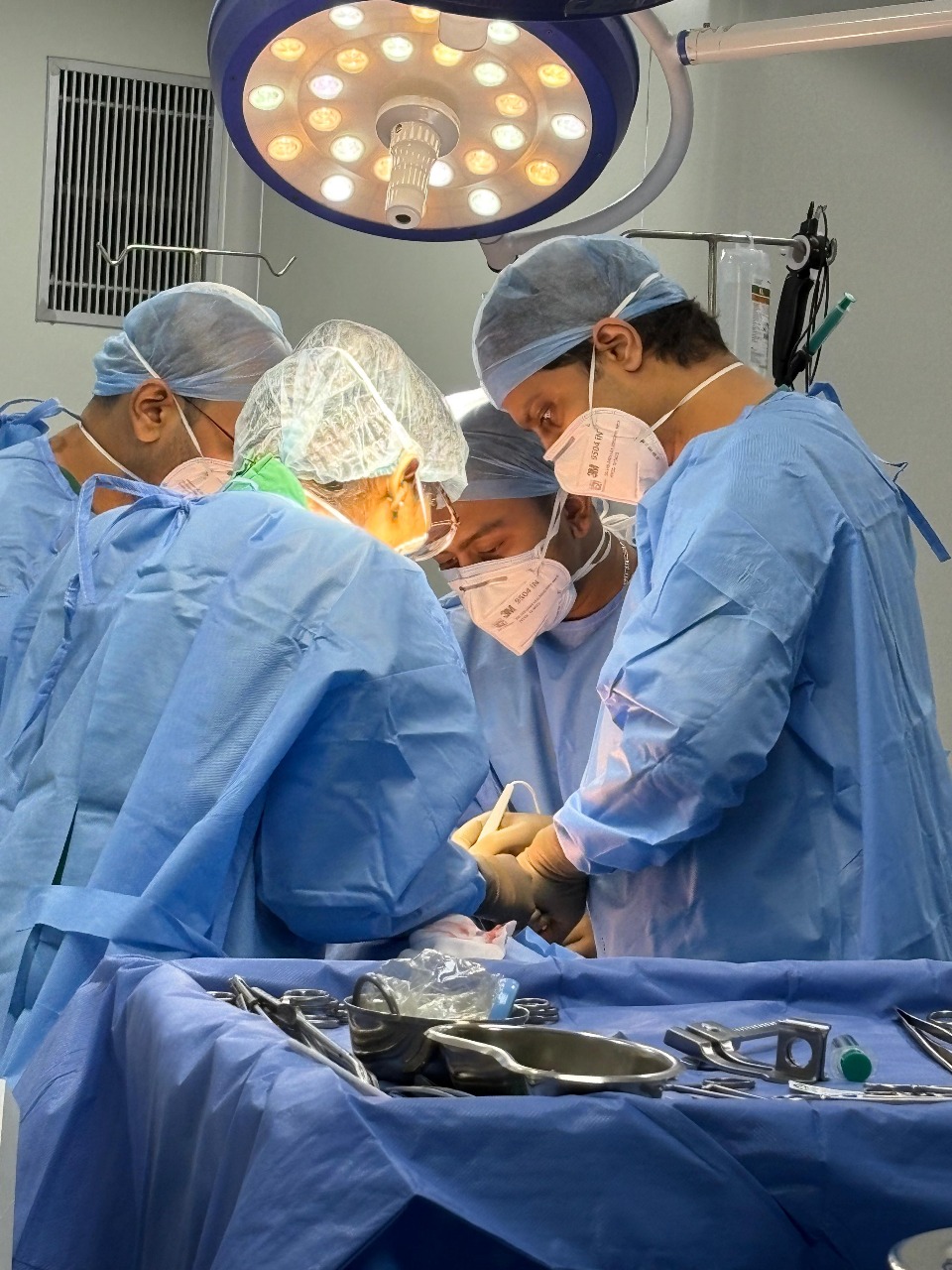

Dr. Arvind Reddy Muthirevula is a prolific contributor to national and international thoracic surgery literature. Highlights include:
(Complete publication list available on request or in the media section.)
If you have any questions or would like to schedule an appointment, please fill out the form below or contact us directly.
Phone: +919849230957 Email: dr.arvindm@aighospitals.com Address: Apollo Hospitals, Jubilee Hills, Hyderabad, Telangana